


 Online
 3 December 2025
Radically Open Dialectical Behavior Therapy - Level 1
11-12 January 2027
Are you struggling with clients who dutifully turn up for your DBT skills classes, complete all the homework, yet never seem to make any real progress? You may be dealing with an overcontrolled client who, instead of needing to learn how to regulate their emotions, needs to learn how to relax, play, be more flexible and make meaningful social connections.
Research shows that 35-40% of overcontrolled clients are misdiagnosed as being undercontrolled, often as a result of their presenting with suicidal ideation or behaviours.
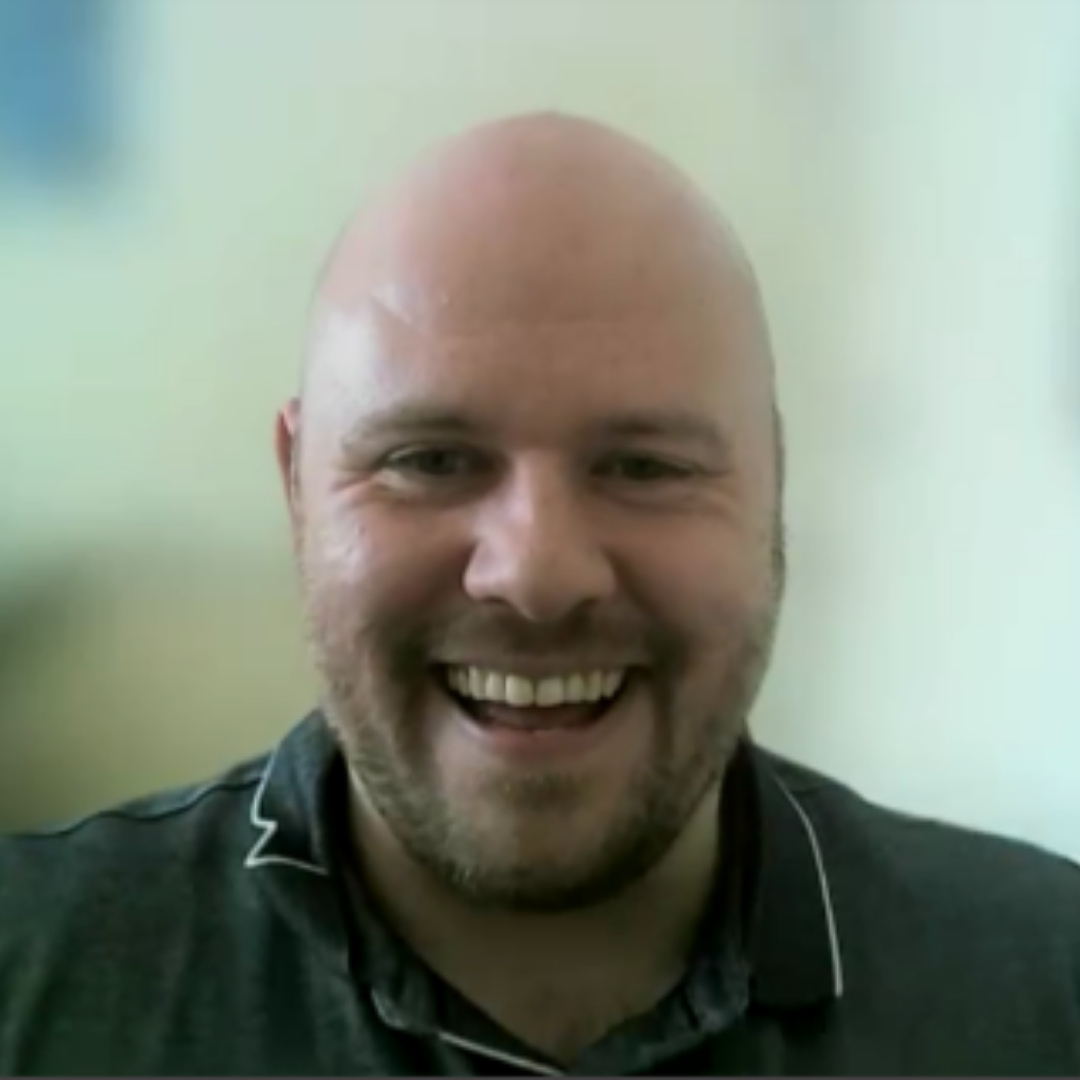
During this two-day training course, Luke Jordan, M.A., an accredited RO DBT trainer, will teach you the foundations of Radically Open Dialectical Behavior Therapy (RO DBT) . RO DBT is a groundbreaking approach designed for individuals who struggle with excessive self-control or overcontrol – an issue common in anxiety, depression, eating disorders, complex emotional difficulties, and autism spectrum disorders. Unlike traditional therapies, RO DBT emphasizes radical openness, flexibility, and above all, social signalling to promote emotional well-being and improved relationships.
About the Course
Level 1 of the Radically Open Dialectical Behaviour Therapy (RO DBT) training offers a practical introduction to working with overcontrolled clients and lays the foundation for becoming an RO DBT Practitioner or Skills Instructor.
Across two live training days, you’ll learn how overcontrol differs from undercontrol, how to assess it accurately, and how these coping styles shape emotional experience and social behaviour. You’ll be introduced to the key models underpinning RO DBT, including the biosocial theory and neuroregulatory model, and how to apply these in your own case formulation and early client work.
There’s a strong focus on real-world application, with opportunities to practise key concepts, use structured assessment tools, and build confidence in explaining RO DBT to clients.
The course is delivered over two live training days with 4.5 hours of teaching and a short break each day, totalling 9 hours of active learning. After each day, you’ll complete a short online quiz based on the material covered. To pass, you’ll need to achieve at least 80% on each quiz. To receive your certificate of completion, you’ll need to attend both full training days, pass both quizzes, and complete the online evaluation form at the end of the course.
Learning Objectives
At the end of this course you will be able to:
- Compare and contrast disorders of overcontrol with disorders of undercontrol.
- Evaluate the efficacy of RO DBT for clients with an overcontrolled style of coping via published peer reviewed studies.
- Compare the differences between overcontrolled and undercontrolled bio-temperament and explain how these impact perception and emotion regulation strategies in social situations.
- Integrate the three components of the bio-social theory for disorders of overcontrol into your case formulization of clients.
- Use the biosocial theory script to teach the bio-social theory for disorders of overcontrol to your clients early on in treatment.
- Integrate the neuroregulatory model with the bio-social theory for overcontrolled disorders and teach the neuroregulatory model to your overcontrolled clients.
- Apply the Big Three +1 Skill to activate social safety within yourself and teach this skill to your clients whenever tension is present.
- Identify common errors and assumptions when assessing overcontrol and apply this knowledge to your own assessment procedures.
- Use the Assessing Styles of Coping Word-Pair List to assess your own and your clients’ coping style.
- Use the OC Trait Rating scale to assess the degree of ‘OC caseness’ of overcontrolled clients.
- Compare the differences between the two subtypes of overcontrol.
- Describe the RO DBT treatment structure to your own practice.
- Describe the RO individual treatment target hierarchy including the five OC social signalling themes
- Apply the bio-social theory to a case example
Prerequisites
- Participants must have a professional license in a mental health or related profession (e.g., psychology, social work, counselling, psychotherapy, psychiatry, occupational health, registered dietitian, etc.).
- No previous knowledge of RO DBT or standard DBT is required.
Bibliography
Please click here to check out the bibliography.
Course Information
 Date
Date11/01/27
 Time
Time10:00 am - 3:00 pm GMT
 Length
2 Days
 Location
Live Training via Zoom
 Price
Price£280 (excl VAT)